– Explore the key differences between flat and sloped roofs, including their design, materials, and installation processes.
– Discover the pros and cons of each roofing style to determine which option best suits your needs and preferences.
– Learn about maintenance requirements, longevity, and cost factors to make an informed decision for your roofing project.
Introduction
As homeowners in Prince George, VA, prepare for the spring season, it’s crucial to consider how roofing choices can impact the safety and durability of your home. The decisions you make today can significantly affect your comfort, energy bills, and even the overall value of your property as the seasons change. Understanding the differences between roofing styles is essential, especially when deciding which might suit your needs best. This article will cover the **flat roof vs sloped roof pros and cons**, arming you with the insights necessary to make an informed choice. With potential weather challenges looming, now is the time to examine these options before further decisions are made.
Different roofing styles come with their own sets of advantages and drawbacks that can affect everything from installation costs to long-term maintenance. Many homeowners may overlook how specific roofing options can impact energy efficiency, especially with summer heat and winter chills just around the corner. Questions arise about what factors to consider when weighing flat roofs against sloped roofs, which this article aims to address. Understanding these considerations can create a sense of urgency to make informed choices while the season transitions. As we move through spring, keeping the practical implications of these roofing types in mind is essential to protect your investment.
In this exploration of flat roofs and sloped roofs, we’ll delve into the unique benefits each style offers, assisting you in determining which aligns with your specific needs. This discussion will provide verified insights that help clarify common concerns many homeowners share when contemplating their roofing options. With the right information at hand, you’ll be better equipped to choose the roofing solution that matches your home and its demands. Let’s tackle the essential aspects of each roofing type, ensuring you can confidently decide what is best for your future. As spring ushers in new beginnings, the journey toward safeguarding your home begins here.
Supporting Details
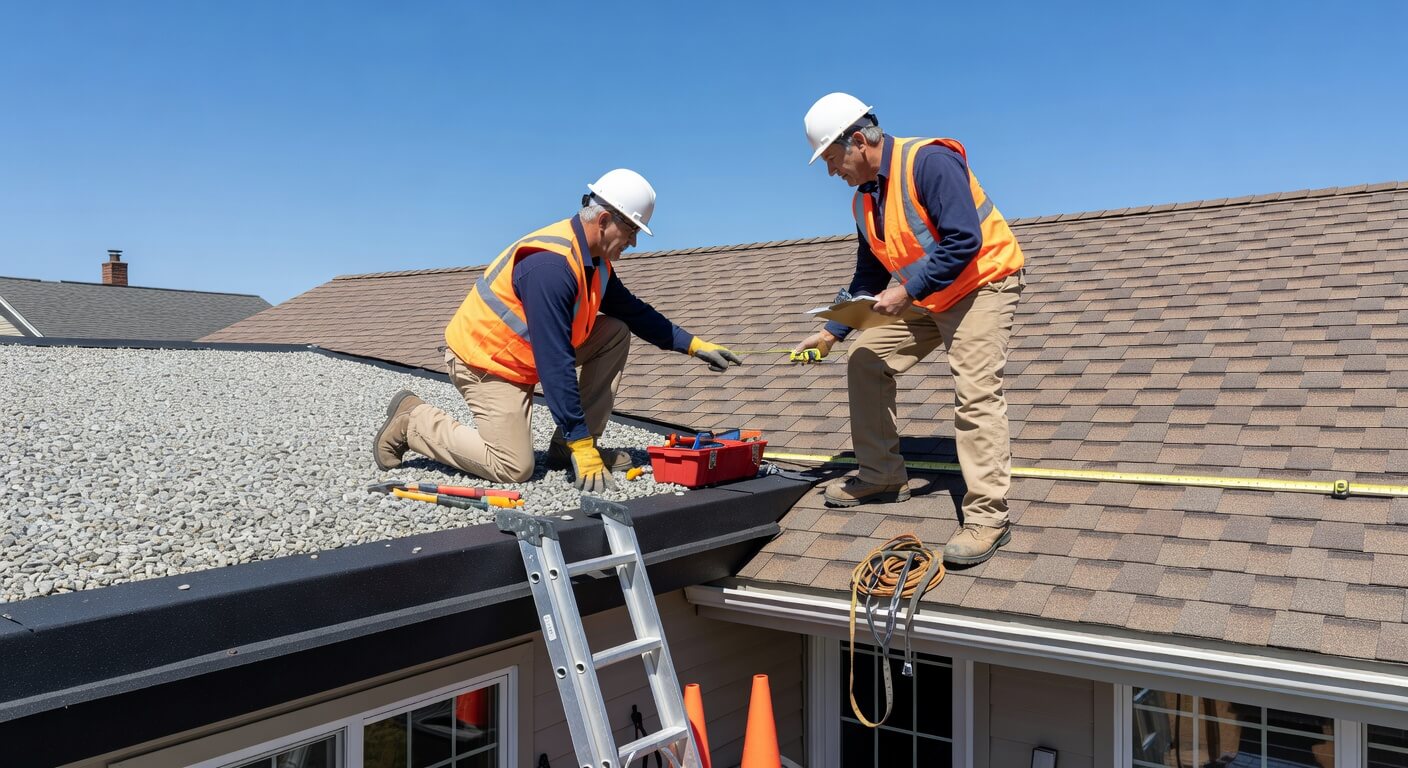
When considering roofing options, flat roofs offer several advantages, particularly in terms of **installation costs** and functionality. They are generally less expensive to install than their sloped counterparts because the installation process is more straightforward. Additionally, flat roofs can serve as functional spaces, such as rooftop gardens or terraces, enhancing the usable area of your home. However, it’s important to note that flat roofs can face challenges like water accumulation, leading to potential leaks if not properly maintained. Homeowners need to be aware that **regular inspections** are vital to ensure the roofing remains in good shape over time.
On the other hand, sloped roofs bring a different set of benefits that can make them appealing to many homeowners. One significant advantage is the **efficient drainage** of water and snow, significantly reducing the chances of water damage. Sloped roofs also tend to have a longer lifespan, especially when made from quality materials like asphalt shingles or tiles. Homeowners often appreciate the aesthetic variety that sloped roofs provide, ranging from traditional looks to modern designs. It’s crucial to weigh these points, especially when considering long-term maintenance and the performance of the roofing under various weather conditions.
Ultimately, the option you choose will significantly impact your home’s longevity and your wallet. Understanding the inherent strengths and weaknesses of each roofing style will help you navigate the decision-making process with ease. Don’t forget to consult experienced professionals for further evaluation, ensuring you receive expert advice tailored to your needs. For those needing assistance with different roofing solutions, including storm damage restoration, you can visit D.L Williams Roofing for comprehensive support. By taking these factors into account, you’ll find the right roofing option that serves your home well in the long run.
Insights From The Experts
Tip 1:
Consider the climate in Prince George, VA, when choosing between flat and sloped roofs. Sloped roofs excel in shedding rain and snow, making them a better option for areas with significant precipitation.
Tip 2:
Evaluate the long-term maintenance needs of each roof type. Flat roofs may require more frequent inspections and maintenance to prevent water pooling and debris accumulation, which can lead to leaks and damage.
Tip 3:
Research the materials available for both roof styles. While flat roofs can utilize materials like rubber or PVC, sloped roofs often feature shingles or tiles, which can enhance aesthetic appeal and longevity.
Tip 4:
Consult local roofing professionals to understand installation costs specific to your area. The expense can vary significantly based on materials and labor, so getting multiple quotes will help you make an informed decision.
Tip 5:
Consider energy efficiency when selecting your roof type. Flat roofs may have options for reflective coatings that reduce heat absorption, while sloped roofs can be designed for natural ventilation, both contributing to lower energy bills.
Addressing Common Concerns
What are the benefits of a flat roof compared to a sloped roof?
Flat roofs are generally more cost-effective to install and provide usable outdoor space, such as a terrace or garden. However, they may require more frequent maintenance to manage water collection.
How do installation costs differ between flat roofs and sloped roofs?
Installation costs for flat roofs tend to be lower due to simpler construction methods, while sloped roofs often involve higher labor and material costs due to their complexity. Choosing high-quality materials for either type will also affect the final price.
What materials are best for flat and sloped roofing?
Flat roofs typically use materials like EPDM rubber, PVC, or TPO for their waterproof capabilities, whereas sloped roofs often feature asphalt shingles or tiles, providing durability and aesthetic appeal. The choice of material also depends on local climate conditions and personal preferences.
How do maintenance requirements vary for flat roofs versus sloped roofs?
Flat roofs generally require more regular inspections and maintenance to prevent water pooling and debris buildup, while sloped roofs tend to self-drain better and often require less frequent upkeep. However, both roof types benefit from routine evaluations to maintain their conditions.
Are flat roofs more prone to leaks than sloped roofs?
Yes, flat roofs can be more susceptible to leaks due to water pooling, especially if drainage systems are not properly installed or maintained. In contrast, sloped roofs effectively shed water, reducing the likelihood of water damage and leaks.
Final Thoughts
As we conclude our discussion on the flat roof vs sloped roof pros and cons, it’s essential to reflect on the critical factors that influence your roofing decision. Each roofing type has distinct advantages that can cater to specific needs, making it crucial for homeowners to weigh these options carefully. Remember that flat roofs can be more economical to install, but may require more frequent maintenance to prevent issues like water accumulation. Conversely, sloped roofs offer robust water drainage but may come with higher initial costs. Ultimately, your choice should align with your lifestyle, aesthetic preferences, and financial situation.
When making your decision, consider the long-term impact on energy efficiency and maintenance costs. Investing in the right roofing can lead to significant savings in energy bills over time, especially if you select materials that reflect heat or promote ventilation. Additionally, explore available options in the local market that would be suitable for your home and its design. It’s advisable to reach out to experienced contractors who can provide tailored solutions based on your unique circumstances. For comprehensive support and guidance on roofing options in your area, check out D.L Williams Roofing.
In the end, your roofing choice is more than just a structural decision; it’s about protecting your home and ensuring its longevity. Embrace the opportunity to enhance your property while making a sustainable choice that fits your needs. By understanding the pros and cons of both roofing styles, you’ll feel empowered to make a well-informed decision. Don’t hesitate to engage with local professionals for insights tailored to your area, especially as the seasons change. With the right information and assistance, you’re well on your way to securing a roof that meets both practical and aesthetic needs.


