
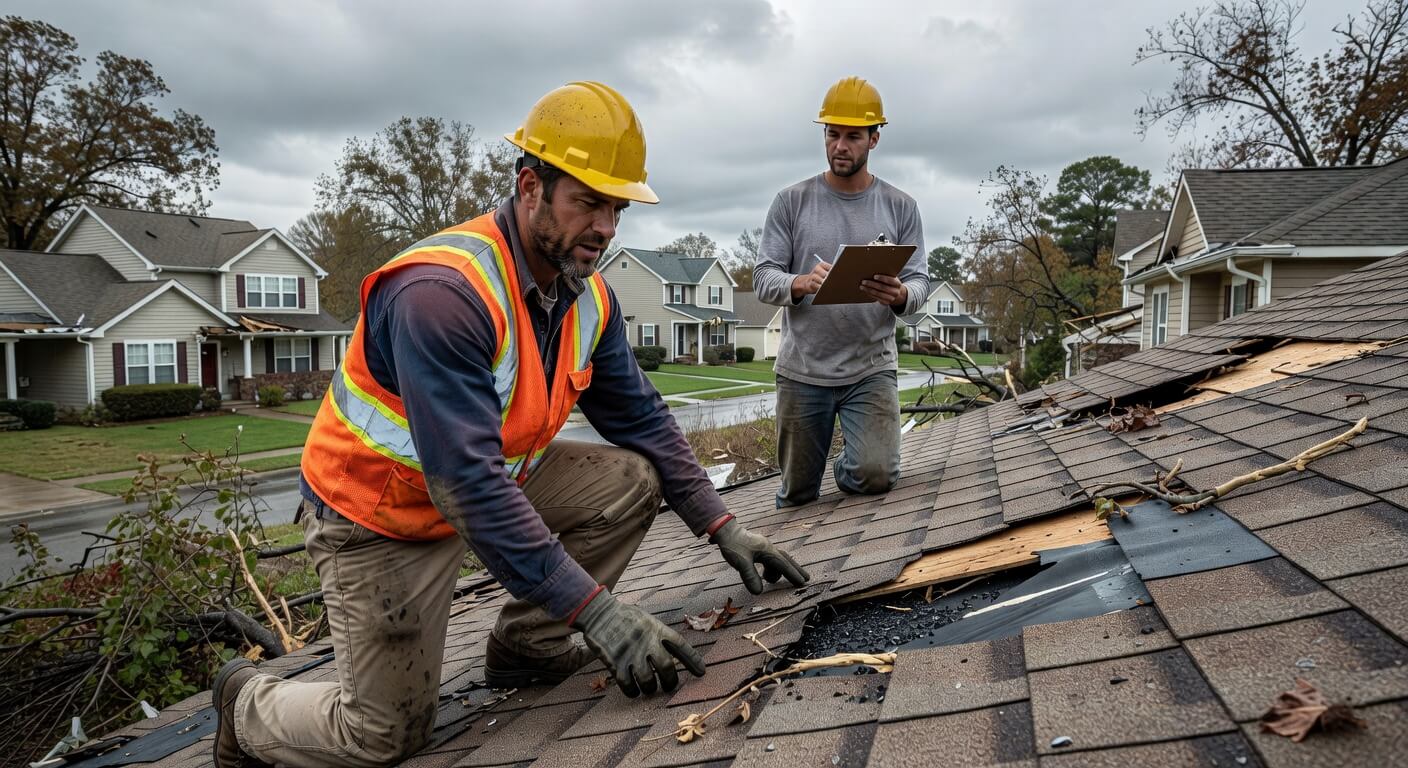
– Discover the comprehensive, step-by-step process involved in storm damage restoration, ensuring your property is effectively restored to its original condition.
– Learn why seeking professional help is crucial for efficient restoration and to avoid long-term issues stemming from inadequate repairs.
– Gain insights into choosing the right restoration service, including essential questions to ask and factors to consider before making a decision.
Identifying Storm Damage Signs
After a storm, it’s essential to assess your property for any visible signs of damage. One common indicator is missing shingles, which can expose your roof to further issues. Inspect the gutters and downspouts for debris or detachment, as these may also signal damage. Additionally, look for **cracks or holes** in the siding or around windows, as these can indicate that storm winds have compromised your home’s defenses.
Another critical sign to watch for is water intrusion. **Leaks in ceilings and walls** can suggest significant damage to your roofing structure. This may lead to mold growth if not addressed promptly, making it vital to check for water stains or discoloration. Document any signs of water damage with photographs to provide to your insurance company later.
Lastly, pay attention to your home’s structural integrity. Look for marked changes, such as sagging areas in the roof or walls that appear warped. If you notice any unusual sounds when walking around your home, it could signify underlying problems resulting from the storm. Always remember, being proactive and identifying these signs early can help facilitate the restoration process and ensure your home remains safe and sound.
Taking Action After Damage
Once you have assessed the damage, the next step is to contact your insurance company. It’s crucial to notify them as soon as possible, as this will kickstart the claims process. Prepare your documentation, including photographs and any notes about the extent of the damage you discovered. Being organized will help streamline communication with your insurance adjuster and ensure you receive the appropriate coverage for the repair costs.
After you’ve notified your insurance provider, it’s time to consider hiring a professional. Engaging a certified roofing contractor is essential as they possess the expertise needed to inspect the roof thoroughly. They can uncover hidden damages and provide a comprehensive assessment of what repairs are necessary. For more information on how to navigate the insurance claims and restoration process, you can visit the storm damage restoration service page on our website.
Step 1: Assess the Damage
Begin by inspecting your property for visible signs of storm damage. Look for missing shingles, leaks, and structural issues. Document any significant damage with photographs.
Step 2: Contact Your Insurance Company
Notify your insurance provider about the storm damage. Provide them with the documentation you collected. They will guide you through the claims process.
Step 3: Hire a Professional Inspector
Engage a certified roofing contractor to perform a thorough inspection. They can identify hidden damage and assess the overall condition of your roof.
Step 4: Review the Restoration Process
Understand the steps involved in storm damage restoration. This may include debris removal, repairs, and, if necessary, complete roof replacement.
Step 5: Get Estimates
Request detailed estimates from multiple contractors. Ensure they outline the scope of work, materials used, and projected timelines to compare options.
Step 6: Discuss Insurance Coverage
Talk with your insurance adjuster about the estimates. Discuss what the policy will cover and any out-of-pocket costs you might incur.
Step 7: Schedule Repairs
Once you have selected a contractor and agreed on the terms, schedule the necessary repairs. Ensure to secure any permits if required by local regulations.
Step 8: Final Inspection and Follow-Up
After repairs are completed, conduct a final inspection with your contractor. Ensure everything meets your expectations and the work aligns with the initial agreement.
Common Mistakes to Avoid During Storm Damage Restoration
When dealing with storm damage restoration, many homeowners make mistakes that can hinder the repair process and increase costs. Recognizing these common errors can help you approach restoration more effectively. By avoiding these pitfalls, you can ensure a smoother experience and protect your home from further damage.
1. Skipping the Initial Assessment
Many individuals jump straight to repairs without thoroughly assessing the damage. This can lead to overlooking hidden issues that may worsen over time. Always take the time to inspect your property carefully, document everything, and note any issues before proceeding.
2. Not Involving Insurance Early
Some homeowners delay contacting their insurance company, thinking it will be easier to sort things out later. However, this can complicate claims processing and possibly lead to denials. Notify your provider immediately after assessing the damage to ensure you’re following proper protocol for coverage.
3. Attempting DIY Repairs
While DIY projects can be tempting, many people may not have the skills or expertise to handle storm damage effectively. This can result in improper repairs that don’t meet safety standards. Always consider hiring a certified roofing contractor who can accurately assess and fix the damage.
4. Ignoring Permitting Requirements
Failing to check local regulations and permits before starting repair work can lead to fines and complications. Homeowners occasionally assume that all repairs are exempt from permissions, which is not the case. Make sure to check if permits are required for your specific restoration work.
5. Neglecting Communication with Contractors
Once you hire a contractor, some homeowners may assume the process will run smoothly without further engagement. However, a lack of communication can result in misunderstandings regarding the scope of work and timelines. It’s essential to maintain open dialogue with your contractor throughout the restoration process to ensure everything aligns with your expectations.
Understanding the Restoration Process
Storm damage restoration involves several key steps to ensure your home is repaired effectively. First, it typically includes removing debris and damaged materials to prepare for repairs. Next, it’s vital to assess whether repairs can be made or if a complete roof replacement is necessary based on the damage severity.
Once the initial assessment is completed, you can expect your contractor to provide a detailed plan for restoration. They will outline the materials needed and the estimated timeline for completion. Staying informed during this process is important, so feel free to reach out with any questions regarding roof insurance claims or other concerns you may have.
Visit us through our social media page for up to date news and new projects we’re working on.


