
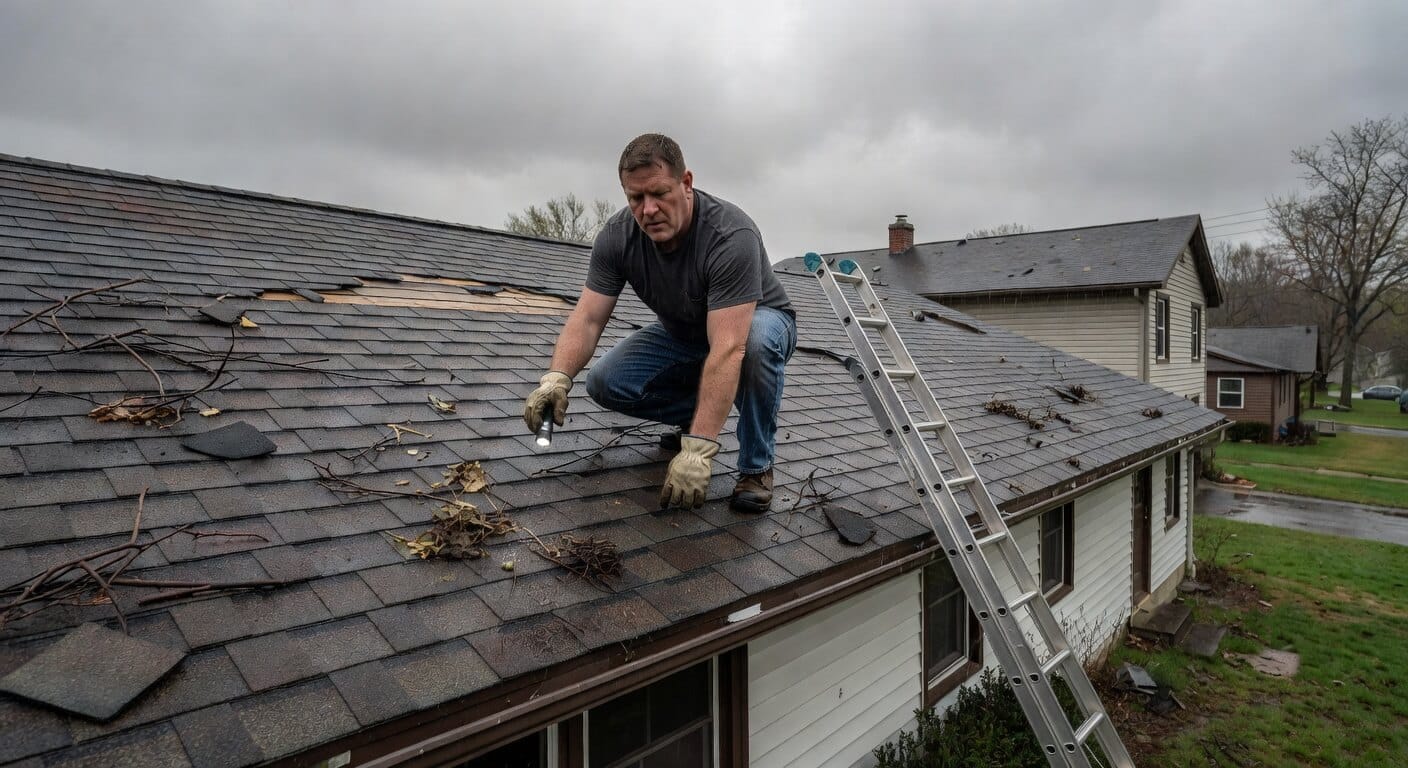
• Act fast after storm damage. Even small roof issues can turn into leaks, ceiling stains, and bigger repairs if they are ignored. Quick action helps protect your home and limit extra damage.
• Look for the most common warning signs. Missing shingles, lifted edges, debris, and water spots can all point to storm damage. A careful check helps spot problems before they spread.
• Use smart tips to prevent more damage. Temporary covers, photos, and fast repairs can help keep the roof stable until the work is done. The sooner you respond, the better chance you have to protect your home.
Why Fast Roof Repairs Matter After a Storm
Storms can leave behind damage that is easy to miss at first but hard to ignore later. A few loose shingles or a small leak can quickly turn into a bigger problem once rain keeps coming. For homeowners in Central Virginia, acting fast after rough weather can help protect both the roof and the home below.
That is why emergency roof repair after storms should never wait until the next sunny day. Water can slip into weak spots, soak insulation, and spread damage far beyond the first leak. If you are unsure where to start, our team at storm damage restoration services can help guide the next steps.
Spring storms in this area can bring heavy rain, strong wind, and sudden shifts in weather. Those changes put extra stress on roofing materials, flashing, and gutters. The sooner we address the damage, the better chance we have to limit repairs and keep the roof sound.
What We Look For After Storm Damage
After a storm, we start by checking for the most common signs of trouble. Missing shingles, lifted edges, dented metal, and water spots inside the home can all point to roof damage. Even if the roof looks fine from the ground, there may still be hidden problems that need attention.
We also pay close attention to areas where water likes to enter first, such as valleys, vents, chimneys, and the edges of the roof. Small openings in these spots can let rain work its way inside and cause more damage over time. A prompt inspection helps us find those weak points before they spread.
Tips from the Pros
????️ Tip 1: Check for Damage Right After the Storm
Look at the roof as soon as it is safe to do so. Missing shingles, fallen branches, and debris can be early signs that repairs are needed.
???? Tip 2: Watch for Water Stains Indoors
Brown spots on ceilings or walls can mean water has already gotten in. Even a small stain can point to a larger roofing issue above it.
????️ Tip 3: Cover Active Leaks Fast
If water is coming in, use a tarp or other temporary cover until repairs can begin. This helps slow down more damage inside the home.
???? Tip 4: Take Photos Before Anything Is Moved
Clear photos of the damage can help document what happened after the storm. This is especially useful if repairs may involve an insurance claim.
????️ Tip 5: Inspect for Wind Lifting
Strong wind can loosen shingles even when they do not blow off completely. Lifted shingles can let rain under the roof surface and should be checked quickly.
???? Tip 6: Don’t Ignore Granule Loss
If you notice dark patches or lots of granules in gutters, the shingles may have taken a hit. That kind of wear can shorten the roof’s ability to protect the home.
???? Tip 7: Fix Small Issues Before They Spread
A tiny crack or loose flashing can become a much bigger repair if it is left alone. Quick action often keeps the problem from reaching the roof deck or attic.
⏱️ Tip 8: Schedule Help as Soon as You Can
Roof damage can worsen with every passing rain, especially in spring weather. Getting emergency roof repair after storms scheduled early can help prevent more costly repairs later.
Frequently Asked Questions
How do I know if I need emergency roof repair after storms?
You likely need emergency roof repair after storms if you see missing shingles, active leaks, ceiling stains, or fallen debris on the roof. Water intrusion is the biggest warning sign because it can spread quickly inside the home.
What should I do first after storm damage to my roof?
You should first make sure everyone is safe and then check for visible damage from the ground. If there is an active leak, protect the area inside the home and call a roofing professional as soon as possible.
Can small roof damage get worse after a storm?
Yes, small roof damage can get worse very quickly after a storm. A loose shingle or minor crack can let in water, and repeated rain can turn a small issue into a larger repair.
Does spring weather in Central Virginia increase roof risks?
Yes, spring weather in Central Virginia can increase roof risks because it often brings heavy rain, wind, and sudden storms. Those conditions can loosen roofing materials and expose weak spots that were not obvious before.
Should I wait for a full inspection before covering a leak?
No, you should not wait if water is entering the home. A temporary cover can help limit damage until a full roof inspection and repair can be done.
Keeping Your Roof Ready After the Storm
Fast action can make a big difference when a storm has damaged your roof. Watching for warning signs, protecting the home from water, and getting repairs started early can help avoid larger problems later. In Central Virginia, spring storms can change quickly, so staying ahead of roof damage matters.
We take storm damage seriously because we know how fast a small issue can turn into a bigger one. Our goal is to help homeowners feel confident about their next step and protect what matters most. To stay connected and see more of our work, follow us on social media.


