• Discover the essential steps for applying roof coating to flat roofs, ensuring lasting protection against weather damage.
• Learn about the necessary tools and materials required for an effective roof coating application.
• Understand when to seek professional assistance for your roofing needs to ensure optimal results and longevity.
Signs Your Flat Roof Needs Coating
As a homeowner with a flat roof, being attentive to its condition is essential. One of the first signs you may notice is **peeling or blistering** in the existing roof coating. This can indicate that moisture has infiltrated the protective layer, potentially leading to more significant issues. Ignoring these signs could result in **expensive repairs** down the line, so it’s crucial to address them early.
Another common sign needing your attention is the appearance of **cracks or leaks** on the roof surface. As time passes, exposure to harsh weather conditions can degrade the roof’s materials, making it susceptible to water ingress. If left unchecked, these cracks can worsen and cause **serious damage** to your home’s interior. A timely inspection can help you identify these problems before they escalate.
Additionally, dirt and debris accumulation can signal that your flat roof requires coating. When leaves, dust, or grime build up, they can trap moisture on the roof’s surface, leading to water pooling and potential leaks. A faded or discolored appearance can also suggest the roof’s protective coating has worn away under sun exposure. Paying attention to these **warning signs** will help you keep your flat roof in optimal condition.
Step-by-Step Guide to Apply Roof Coating
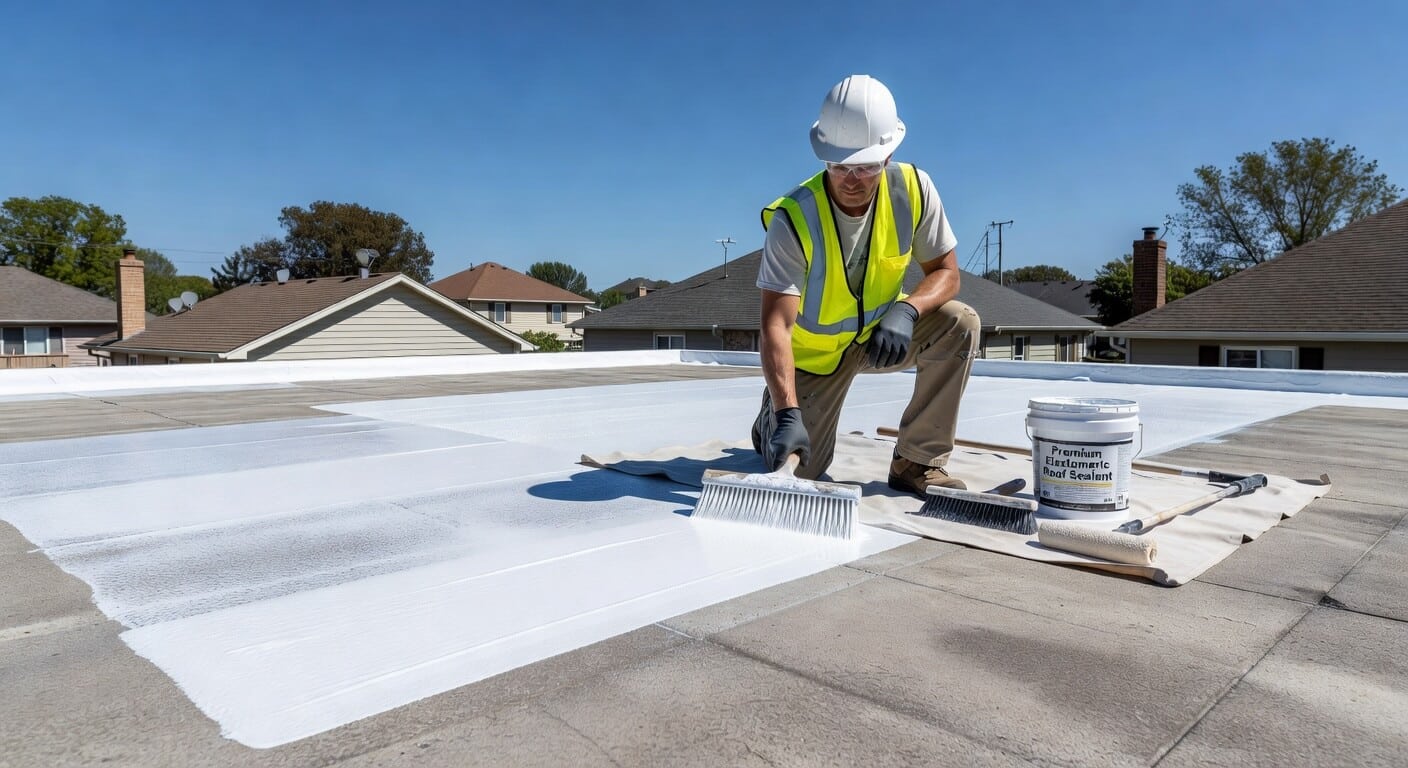
Gathering the right materials is the first step in successfully applying roof coating to a flat roof. Essential items include the roof coating itself, a roller or sprayer for application, and a brush for detail work. Additionally, don’t forget **safety gear** like gloves and goggles to protect yourself during the process. Having everything prepared will ensure a smoother application, leaving you with a well-maintained roof.
Next, inspect your flat roof thoroughly. Look for any signs of **damage or debris** that could affect the coating process. If you need assistance or further information on roofing services, you can check out the offerings on D.L Williams Roofing’s website at residential roofing. By tackling any issues upfront, you can create a solid foundation for the roof coating, helping extend the roof’s lifespan and maintaining your home’s integrity.
Step 1: Gather Your Materials
Before you start, collect all necessary materials. You will need roof coating, a roller or sprayer, a brush, a ladder, safety gear, and a clean surface for mixing.
Step 2: Inspect the Flat Roof
Check the roof for any damage, leaks, or debris. Ensure the surface is clean and free from any old coatings or membranes.
Step 3: Clean the Surface
Use a pressure washer or a broom to completely clean the flat roof. Remove dirt, leaves, and any loose materials to prepare for the coating application.
Step 4: Repair Any Damage
If you find any cracks or holes during your inspection, repair them using appropriate roofing materials to ensure a smooth and even application.
Step 5: Mix the Roof Coating
Follow the manufacturer’s instructions to mix the roof coating thoroughly. This ensures even consistency for proper application.
Step 6: Apply the Primer (if necessary)
If your roof coating requires a primer, apply it evenly across the surface according to the product guidelines, allowing it to dry fully before proceeding.
Step 7: Apply the Roof Coating
Using a roller or sprayer, apply the roof coating evenly across the flat roof. Ensure that you follow the manufacturer’s recommended thickness and apply in sections for uniformity.
Step 8: Allow to Cure
Let the roof coating cure completely as per the manufacturer’s instructions. Avoid foot traffic on the surface during the curing time to ensure optimal adhesion and longevity.
Common Mistakes to Avoid
When undertaking a DIY roof coating project, it’s easy to make a few missteps that can lead to unsatisfactory results. Recognizing these common mistakes can save you time, effort, and potentially costly repairs. Below is a list of frequent errors along with clear explanations on how to prevent them.
1. Skipping Material Preparation
Many homeowners overlook the importance of preparing materials before application. Neglecting to gather all required tools and materials can lead to interruptions during the project, resulting in rushed applications. Always take a moment to gather everything needed, including roof coating, brushes, rollers, and safety gear, to ensure a smooth process.
2. Ignoring Roof Inspection
Failing to inspect the roof before applying new coating is another common error. Some may think a quick glance is sufficient, but hidden damage may become more serious over time. Be thorough in your inspection and take note of any issues, so they can be addressed before starting the coating process.
3. Inadequate Surface Cleaning
Assuming that the roof surface is clean without proper cleaning can jeopardize the effectiveness of the coating. Dirt, debris, and residues can prevent the coating from adhering correctly, leading to flaking and peeling later on. Use a pressure washer or broom to thoroughly clean the roof to create a suitable surface for coating application.
4. Rushing the Mixing Process
Some homeowners may rush the mixing of the roof coating, resulting in an inconsistent application. This can lead to uneven coverage and premature wear of the coating. Always follow the manufacturer’s guidelines for mixing to achieve an even consistency for better adhesion and durability.
5. Neglecting to Repair Damage
Ignoring existing damage before applying a new coating can result in further issues down the road. Homeowners might overlook cracks or holes, assuming the coating will seal them. Always take the time to repair any identified damage, ensuring that the underlying roof structure remains intact and secure.
6. Not Allowing Sufficient Curing Time
Many DIYers underestimate the importance of allowing the roof coating to cure properly. Walking on the surface prematurely can damage the coating, compromising its effectiveness. Always adhere to the recommended curing time provided by the manufacturer to ensure long-lasting protection.
Conclusion
In summary, applying roof coating to a flat roof is a crucial maintenance task that can significantly extend the roof’s lifespan. By addressing issues like cracks and grime early, you can prevent larger problems from occurring in the future. For any residents needing professional assistance, consider visiting D.L Williams Roofing for expert services at D.L Williams Roofing.
Taking the time to perform a thorough inspection and coating application allows homeowners to protect their investments. Remember, regular maintenance not only enhances the roof’s durability but also saves money in the long run. Don’t ignore the importance of a well-maintained roof—it’s essential for your comfort and home safety.


