– Discover the top roofing materials suitable for residential homes, including the pros and cons of each option to align with your specific needs.
– Learn how to assess critical factors when selecting roofing, such as durability, cost, aesthetics, and local climate considerations.
– Understand why seeking professional advice can enhance your decision-making process and ensure optimal installation for long-lasting results.
Identifying Problematic Signs for Your Roofing Needs
Many homeowners may overlook the signs that indicate it’s time for a new roof. Common issues like **missing shingles** or noticeable wear can lead to larger problems down the road. If you see **leaks in your attic** or interior walls after a rainstorm, it’s time to evaluate your roofing situation. Even minor signs should not be ignored, as they can quickly escalate into significant damage if left unattended.
Another critical sign to watch for is **granule loss** from shingles. When you notice your gutters collecting shingle granules, it’s often a strong indicator that your roof is nearing the end of its lifespan. Additionally, **bubbling or blistering** in the roof material can suggest trapped moisture, which can lead to severe structural issues. Keeping an eye out for these warnings can save you money and stress in the long run.
Lastly, consider the overall **age of your roof**. Most roofing materials have a typical lifespan, and reaching that age can drastically increase the chances of failure. For instance, if your asphalt shingles are over 20 years old, they may be more susceptible to wear and tear. A proactive approach in recognizing these signs can lead to better planning for your residential roofing project.
Researching Roofing Materials
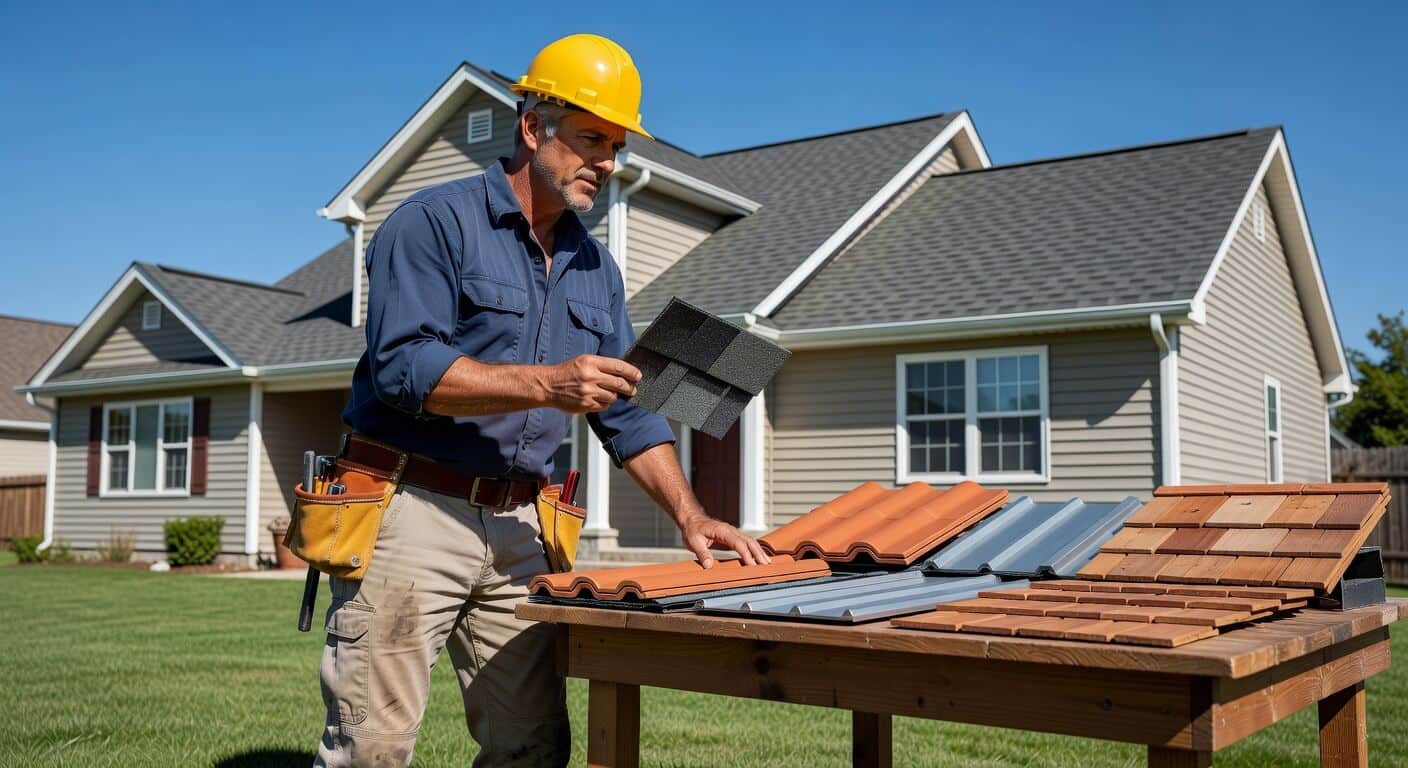
Finding the right roofing material for your home can feel overwhelming, but it’s essential for long-term satisfaction. Start by exploring the various options, such as asphalt shingles, metal roofs, wood shakes, and tile. Each type of material comes with its unique benefits, like cost-effectiveness or aesthetic appeal. Understanding these materials will help you make an informed choice that aligns with your needs.
Once you have researched the different roofing materials, you should also consider consulting professionals for their expertise. Local roofing specialists can provide insights tailored to the climate of Prince George, VA. For example, they may offer recommendations on materials that can withstand the heavy rains in spring or the intense heat of summer. To learn more about residential roofing solutions, check out these services that can ensure you choose the best fit for your home.
Step 1: Identify Your Needs
Determine the specific requirements of your residential roofing project, including budget, durability, and aesthetic preferences.
Step 2: Research Roofing Materials
Explore various types of roofing materials available for residential homes, such as asphalt shingles, metal, wood, and tile.
Step 3: Evaluate Weather Conditions
Consider the local climate in Prince George, VA, to find materials best suited for seasonal changes, including spring rains and summer heat.
Step 4: Compare Costs
Obtain quotes from different suppliers and contractors to compare the costs associated with each roofing material.
Step 5: Assess Longevity and Maintenance
Research the lifespan and maintenance requirements of each roofing material option to ensure long-term value.
Step 6: Review Local Building Codes
Check with local authorities regarding building codes and restrictions to make sure the chosen materials comply with regulations.
Step 7: Consult with Roofing Professionals
Seek advice from local roofing experts to discuss the advantages and disadvantages of each material option.
Step 8: Make Your Decision
Choose the best roofing material for your residential home based on your findings, prioritizing your specific needs and conditions.
Common Mistakes to Avoid in DIY Roofing Projects
When it comes to DIY roofing projects, many homeowners tend to overlook crucial details that can lead to costly errors. These mistakes often stem from a lack of experience or insufficient research about roofing materials and requirements. By being aware of these common missteps, you can better prepare and ensure your roofing project is completed successfully.
1. Skipping Roof Inspection
Many homeowners dive into roofing projects without properly inspecting their current roof’s condition. This mistake can lead to overlooking significant issues, such as structural damage or hidden leaks. To prevent this, always conduct a thorough inspection or consult a professional to assess the roof before making any decisions.
2. Choosing the Wrong Materials
Selecting roofing materials that are unsuitable for your local climate is a frequent error. For example, using wood shingles in an area prone to high humidity can result in mold and decay. To avoid this mistake, research the best roofing materials that align with the weather patterns in Prince George, VA.
3. Neglecting Building Codes
Some homeowners ignore local building codes and regulations when planning their roofing projects. This oversight can lead to fines or being forced to redo work, wasting both time and resources. Always check with local authorities to ensure your chosen materials and methods comply with the required regulations.
4. Not Considering Long-term Maintenance
Failing to assess the maintenance needs of the selected roofing material can cause trouble down the road. Some materials may look appealing initially but require extensive upkeep and repairs later on. Be sure to research the lifespan and maintenance requirements of each option to ensure long-term value for your roofing investment.
5. Underestimating Costs
Homeowners often underestimate the total costs, leading to budget overruns during their projects. This may happen due to overlooking additional costs like permits or unexpected repairs. To prevent financial strain, obtain detailed quotes from multiple suppliers and contractors to better gauge the overall expenses involved.
Evaluating Weather Conditions
When selecting roofing materials, it’s crucial to consider the weather patterns in Prince George, VA. The region experiences significant seasonal changes, which can impact the durability of certain materials. For instance, heavy rain during spring necessitates a roofing option that can effectively shed water and resist leaks.
Additionally, the hot summers call for materials that can withstand high temperatures without degrading. Consulting roofing experts can help you identify materials that not only suit your aesthetic preferences but also perform well in varying conditions. For more information on reliable services that cater to your roofing needs, visit D.L Williams Roofing.
Visit us through our social media page for up to date news and new projects we’re working on.


