• Storm damage can weaken a roof in ways that are not easy to spot right away, so a quick check after strong wind, hail, or heavy rain is important.
• A simple roof checklist can help homeowners catch missing shingles, dents, leaks, and flashing problems before they turn into bigger repairs.
• Acting fast after a storm protects your home, lowers the chance of water damage, and helps you know when to call a local roofing professional.
Storm Roof Damage: The First Step to Protecting Your Home
When homeowners learn how storm damage affects roofs, they can act fast and stop small issues from turning into bigger repairs. The main goal is to spot trouble early so the roof, attic, and home stay protected after a strong spring storm in Midlothian, VA.
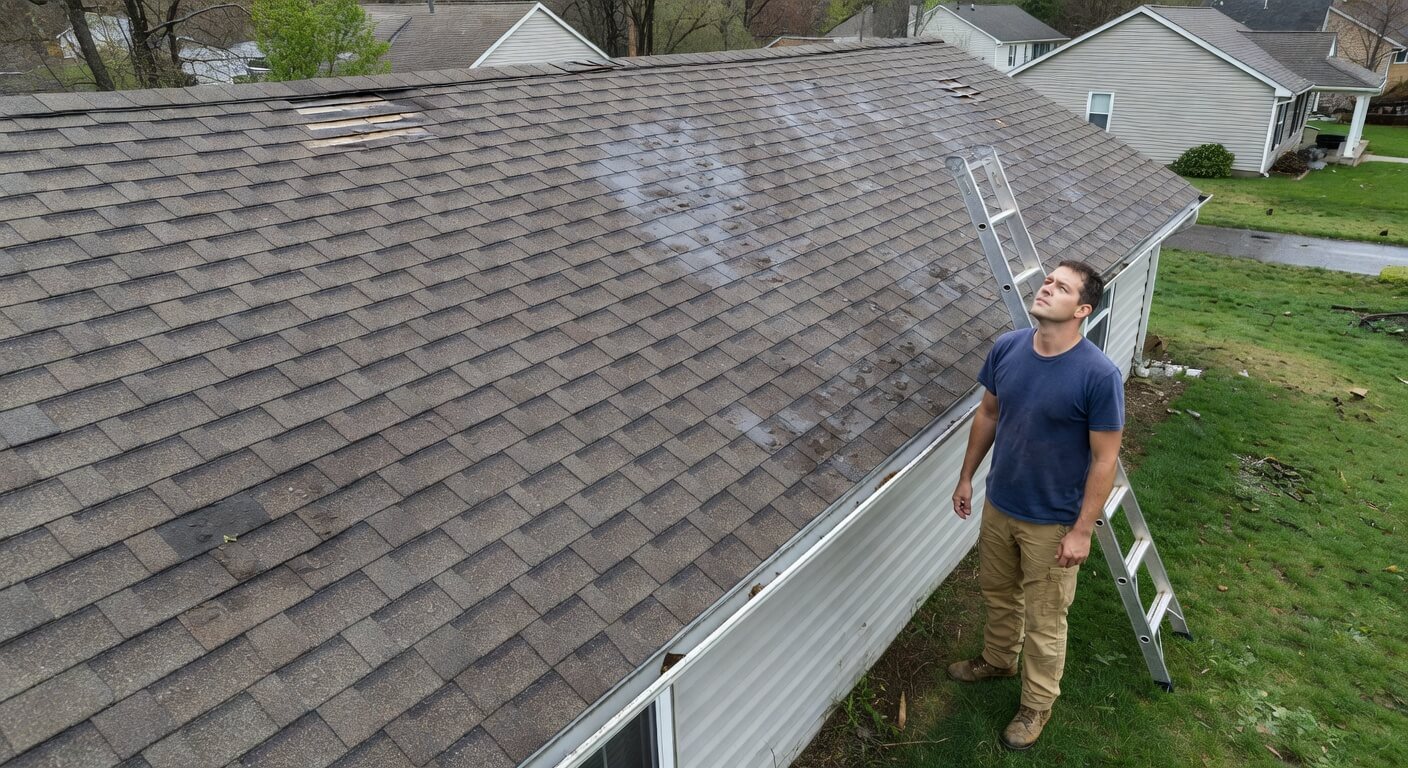
After heavy wind, hail, or rain, check for missing shingles, dents, loose flashing, and dark spots that may point to hidden damage. If anything looks off, schedule a trusted storm damage restoration visit before leaks have time to spread.
A quick response can help keep repair costs lower and reduce stress for the rest of the season. This simple step gives homeowners a clear path to protect their roof and keep their home ready for the months ahead.

Storm Damage Roof Checklist for Homeowners
Use this checklist to stay ahead of roof problems after a storm and protect your home from hidden damage. It is a simple way to make sure nothing gets missed when you’re checking how storm damage affects roofs in Midlothian, VA.
- ✅ Look for shingles that are missing, curled, or lifted
- ✅ Check gutters and downspouts for shingle granules
- ✅ Scan the roof for dents from hail or falling debris
- ✅ Inspect flashing around vents, chimneys, and skylights
- ✅ Look inside the attic for wet spots or water stains
- ✅ Watch ceilings and walls for signs of leaks
- ✅ Take clear photos of anything that looks damaged
- ✅ Set up a roof inspection with a local pro
Going through these steps right after a storm can help you catch problems before they spread. A fast response gives you a better chance to protect both the roof and the rest of your home.
If you notice even one sign on the list, it is smart to have the roof checked by a trained team. A careful look from roof insurance claims support can make the next step easier and help you move forward with confidence.
Additional Advice
Storm damage is not always easy to spot from the ground, so it helps to stay cautious even when the roof looks fine at first glance. Wind can loosen shingles, hail can bruise surfaces, and rain can work its way into small openings that are easy to miss.
One of the most common mistakes is waiting too long to act after a storm, especially if the roof still seems to be holding up. A timely inspection can catch problems early and give you a clearer picture of how storm damage affects roofs before water damage gets worse.
It also helps to keep records of any storm date, photos, and notes about what you noticed around your property. This can be useful if you need repairs, and it gives your contractor better details when reviewing the roof.
If you are unsure what you are seeing, call a local roofing company that understands storm damage in the Midlothian area. A trusted team at D.L. Williams Roofing can help you decide whether the roof needs repair, replacement, or a closer look.
Frequently Asked Questions
How can I tell if a storm damaged my roof?
Yes, you can spot many signs of storm damage with a careful look from the ground or from inside the attic. Missing shingles, dents, loose flashing, and water stains are all signs that the roof may need attention.
Can hail damage a roof even if there are no leaks?
Yes, hail can damage a roof even before a leak shows up. Small impacts may weaken shingles and lead to bigger problems later, so it is smart to have the roof checked after a storm.
How storm damage affects roofs over time?
Storm damage can slowly wear down a roof by opening weak spots that let in water and air. Over time, this can lead to leaks, wood damage, mold growth, and higher repair costs.
Should I inspect my roof after every storm?
Yes, you should check your roof after any strong storm with heavy wind, hail, or falling debris. A quick inspection can help you catch small issues before they turn into larger repairs.
What should I do first if I think my roof was damaged?
Yes, the first step is to document the damage with photos and then schedule a professional inspection. This gives you a clear next step and helps you protect your home from further harm.
Final Thoughts on Storm Roof Protection
Storms can leave behind damage that is easy to miss but costly to ignore, especially in the busy spring season. Knowing what to look for helps you stay ahead of leaks, structural wear, and other roof problems that can grow over time.
When you act quickly, you give your home a better chance to stay dry, safe, and in good shape after severe weather. If you want to keep up with the team’s latest work and updates, follow their Instagram page for roofing updates.


