– Discover the expected lifespan of roof coatings and factors that influence their durability, helping you make informed decisions about maintenance and repairs.
– Learn essential steps for applying roof coatings effectively, including preparation, application techniques, and post-application care to ensure optimal performance.
– Understand the benefits of consulting with professionals for roof coating projects, ensuring quality results and long-lasting protection for your home.
Signs Your Roof May Need Coating
As a homeowner, it’s essential to regularly inspect your roof for signs that indicate it may need a new coating. One of the first warning signs is the appearance of **fading color** or **peeling patches**. Such changes in your roof coating can impact its effectiveness, making it less likely to protect your home from moisture and UV damage. Identifying these issues early can save you time and money, ensuring your roof remains in good condition.
Another critical sign to watch for is the presence of **cracks** or **bubbles** in the coating. These defects can signal underlying problems that could lead to leaks and further damage. If left unaddressed, these issues may compromise the integrity of your roof, resulting in higher repair costs down the line. Regular checks for these warning signs will give you a better understanding of your roof’s condition and its need for maintenance.
Lastly, **debris accumulation** is a common indicator that your roof may require attention. Dirt, leaves, or mold can trap moisture on the roof surface, which could lead to deterioration over time. Furthermore, if your roof appears to have **dark streaks** or **stains**, this might suggest mold or algae growth, which can impact both aesthetic appeal and structural integrity. Taking these signs seriously will help ensure your roof remains durable and performs well—after all, knowing how long does roof coating last depends largely on the conditions it faces.
The Importance of Researching Roof Coatings
Before choosing a roof coating, it is vital to understand the various options available. **Acrylic coatings** are popular for their flexibility and reflectivity, which help reduce energy costs. On the other hand, **silicone coatings** are known for their excellent moisture resistance, making them ideal for wet climates. By researching these types, homeowners can select a coating that best fits their specific roofing needs.
Once you’ve identified the right coating type, assessing the overall condition of your roof becomes essential. Inspecting your roof regularly allows you to catch any potential issues, ensuring that application goes smoothly. If you’re unsure where to start, consider consulting professionals like D.L Williams Roofing, who can provide expert advice on residential roofing services. Being proactive about your roof’s condition and choosing the proper coating type will contribute to its longevity and performance.
Step 1: Understand Roof Coating Types
Research different types of roof coatings available, including acrylic, silicone, and polyurethane, to determine which best suites your roofing needs.
Step 2: Assess Your Roof Condition
Inspect your roof for any damage, wear, or signs of leak. Ensure the surface is clean and free of debris before applying the coating.
Step 3: Choose the Right Application Method
Decide whether to apply the roof coating with a roller, brush, or sprayer based on your roof’s surface type and the product instructions.
Step 4: Check Weather Conditions
Ensure ideal weather conditions for application, as temperature and humidity can significantly affect how long does roof coating last. Aim for dry, mild weather.
Step 5: Prepare the Surface
Thoroughly clean the roof surface using a pressure washer if necessary to remove dirt, mold, and old coatings, allowing for better adhesion.
Step 6: Apply the Roof Coating
Follow the manufacturer’s instructions to apply the coating evenly, ensuring coverage over the entire roof surface without over-saturating any area.
Step 7: Allow Proper Curing Time
Follow the recommended curing time before exposing the roof to water or foot traffic. This ensures the coating adheres correctly and lasts longer.
Step 8: Regular Maintenance Checks
Schedule regular inspections and maintenance to monitor the condition of the roof coating and identify any signs of wear early, helping to extend its lifespan.
Common Mistakes to Avoid When Applying Roof Coatings
When embarking on a DIY roof coating project, it’s essential to be aware of common mistakes that can compromise the results. By understanding these pitfalls, homeowners can ensure that their roof coatings perform effectively and last longer. Taking the time to avoid these errors will save you both time and money in the long run.
1. Skipping Surface Preparation
Many homeowners overlook the importance of preparing the roof surface before applying a coating. Failing to clean away dirt, mold, and debris can lead to poor adhesion and an ineffective coating. To prevent this mistake, always thoroughly clean the roof using appropriate methods like pressure washing before application.
2. Ignoring Weather Conditions
Applying a roof coating in unfavorable weather, such as high humidity or extreme temperatures, can affect its performance. Moisture can prevent the coating from adhering properly, while excessive heat can cause the product to dry too quickly. Always check the weather forecast and aim to apply the coating during dry, mild conditions for optimal results.
3. Choosing the Wrong Coating Type
Not all roof coatings are suitable for every roofing type, and selecting the wrong one can lead to issues such as peeling or cracking. Homeowners often make this mistake due to a lack of research on coating types available. To avoid this error, take the time to research and understand different coatings—like acrylic, silicone, and polyurethane—and select one that suits your specific roofing needs.
4. Over-Saturating the Coating
Applying too much coating in one area can lead to issues like bubbles or uneven surfaces. This mistake often happens when homeowners are eager to cover their roofs quickly. To prevent over-saturation, follow the manufacturer’s instructions regarding the recommended amount per square foot and ensure even coverage during application.
Choosing the Right Application Method
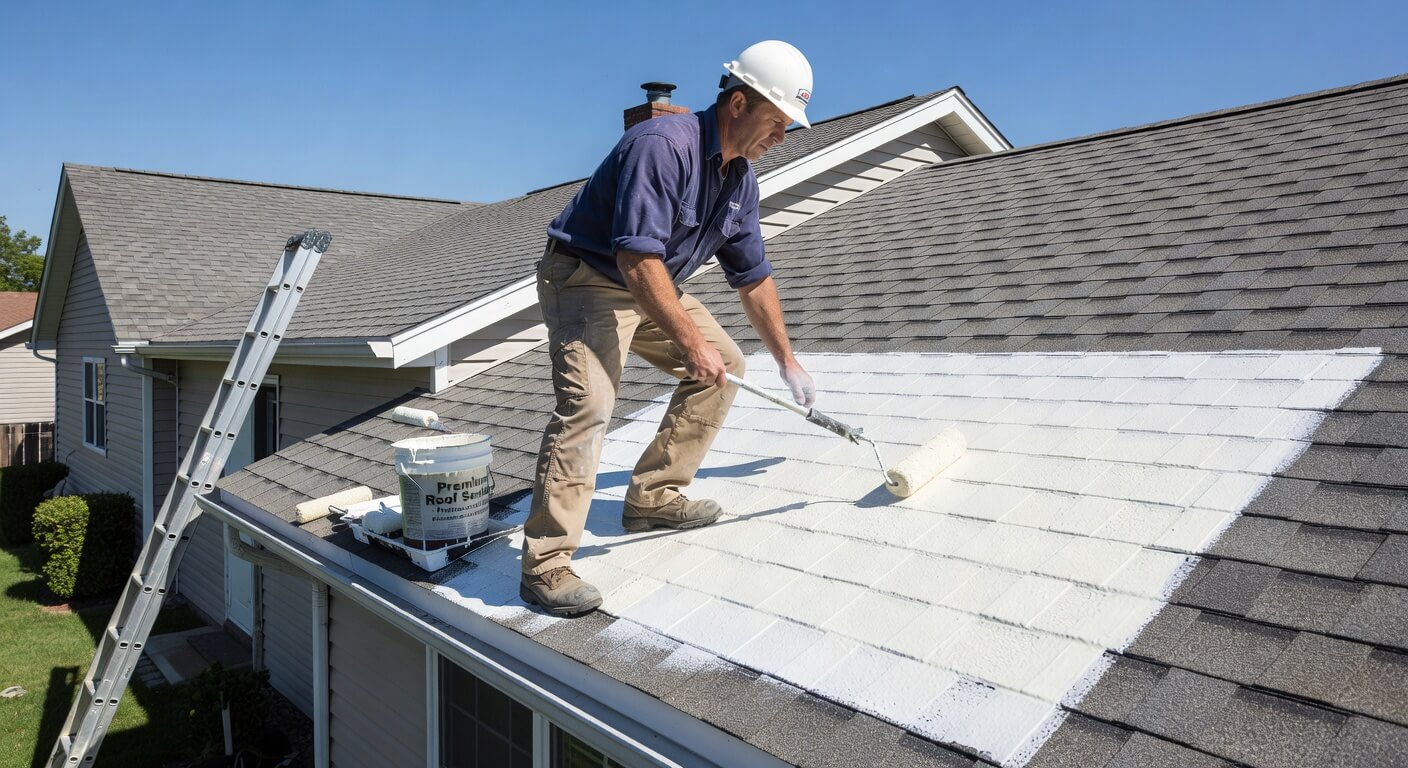
The application method for roof coating plays a significant role in its effectiveness and durability. **Using a roller or brush** allows for detailed work, especially around edges and seams, while a sprayer can offer quicker coverage on larger surfaces. Selecting the right method based on your roof type will help ensure that the coating adheres properly and performs its best.
After deciding on the application technique, it’s essential to check the weather conditions before starting. Ideal temperatures and humidity levels will help the coating cure correctly, contributing to its longevity. For further information on maintaining a strong roofing system, consider visiting D.L Williams Roofing for their storm damage restoration services. By being mindful of both application methods and conditions, homeowners can achieve better results with their roof coatings.


