
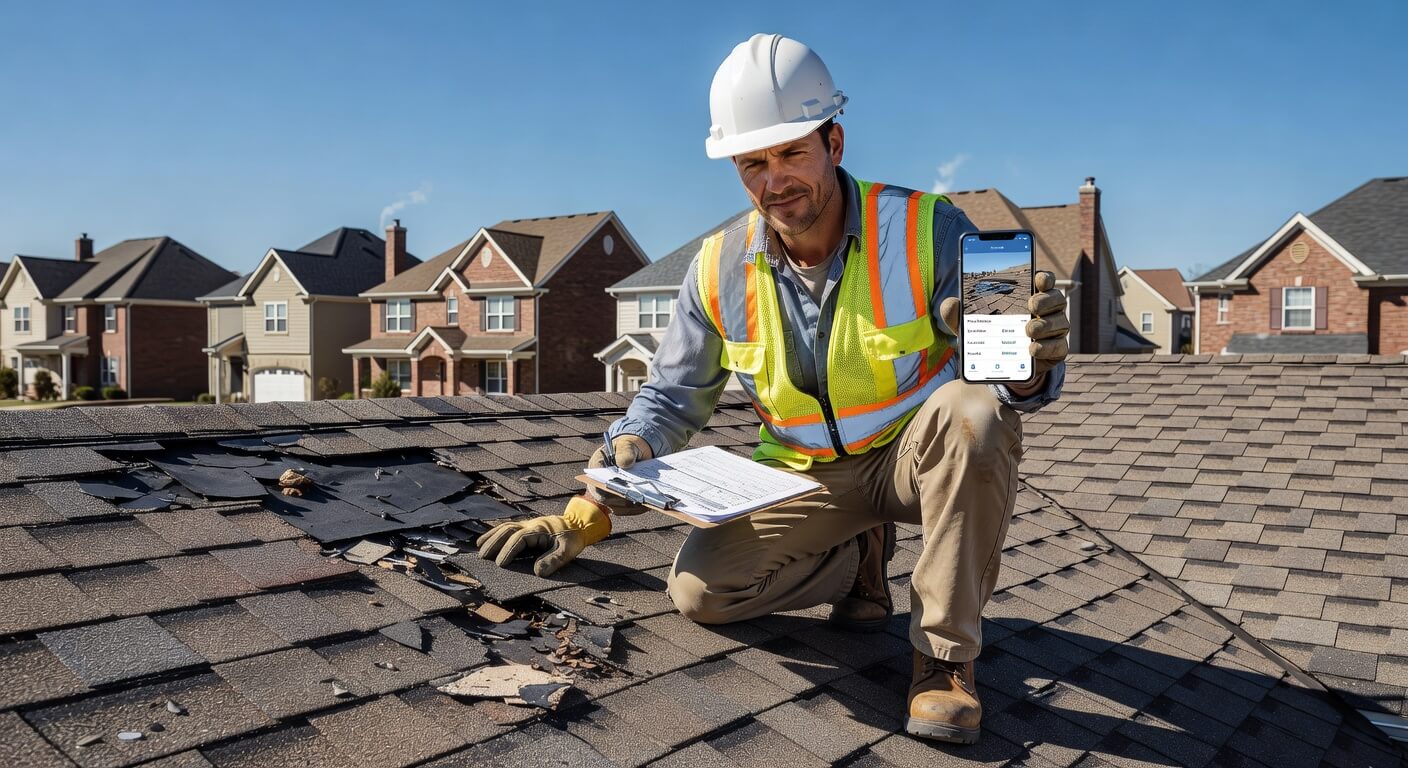
• Understand the step-by-step process of filing a roof insurance claim to ensure you’re adequately prepared and informed.
• Learn essential tips and common mistakes to avoid that can impact the outcome of your claim.
• Discover the benefits of hiring professional help to navigate the complexities of roof insurance claims effectively.
Introduction
Identifying Signs of Roof Damage
As a homeowner, it’s vital to be vigilant about the condition of your roof, especially after severe weather events. Look for signs such as **missing shingles** or **flashing issues** that can lead to water penetration. Another red flag to monitor is the presence of **water stains** on the ceilings or walls, which could indicate a leak. Regular checks can help you catch problems early, potentially saving you time and money in the claims process.
Understanding the Impacts of Seasonal Changes
In Spring, melting snow and spring rains can create unique challenges for your roofing system. **Ice dams** may have formed during winter months, leading to leaks as they melt. Strong winds can also dislodge shingles, making your roof more susceptible to future damage. Keeping a close eye on these seasonal issues can prevent larger problems from arising in the future.
The Importance of Timely Action
When you notice any signs of damage, it’s essential to act quickly before issues worsen. Delaying repairs can exacerbate the situation, increasing the need for extensive repairs and higher costs. By promptly assessing the roof, you ensure that your **insurance coverage** can adequately address the issues. Being proactive can greatly assist when you begin the process of understanding how does a roof insurance claim work.
Step-by-Step Guide
Assessing the Roof Damage
Begin your process by thoroughly inspecting your roof for any visible damage. This includes checking for **missing shingles**, which can expose your roof to moisture and other elements. Additionally, it’s crucial to look for signs of **wear and tear** around flashing and the seams of the roof. Taking the time to inspect these areas can help you understand the extent of the damage and prepare for the next steps.
Documenting the Damage
Once you’ve assessed the roof, it’s important to document your findings with clear photographs. Capture images from multiple angles to provide a comprehensive view of the damage, which is essential when filing your claim. This evidence will be invaluable during the claims process, as insurance companies often require detailed documentation. For more information on managing insurance claims for roof damage, visit this page to find additional support and resources.
Step 1: Assess the Roof Damage
Begin by inspecting your roof for any visible damage. Look for missing shingles, leaks, or other issues that may need to be noted when filing your claim.
Step 2: Document the Damage
Take clear photos of the damage from multiple angles. This documentation will be essential when you file your claim.
Step 3: Review Your Insurance Policy
Check your roofing insurance policy to understand what is covered. Pay attention to deductibles, coverage limits, and specific requirements for filing a claim.
Step 4: Contact Your Insurance Company
Reach out to your insurance company to notify them about the damage and start the claims process. This may involve filling out specific forms regarding your claim.
Step 5: Schedule an Inspection
An insurance adjuster will likely need to inspect the roof. Coordinate a time for them to assess the damage and provide their evaluation.
Step 6: Obtain Repair Estimates
Get estimates from licensed roofing contractors for the necessary repairs. Ensure these are detailed and include all aspects of the repair work needed.
Step 7: Submit Your Claim
Once you have your documentation, inspection results, and repair estimates, complete your claim submission through your insurance company. Include all evidence to support your claim.
Step 8: Follow Up with Your Insurance Provider
After submission, stay in contact with your insurance provider to monitor the status of your claim. Be available to answer any further questions they may have.
Common Mistakes to Avoid When Filing a Roof Insurance Claim
It’s easy to make errors when dealing with roof insurance claims, especially if you’re navigating the process for the first time. Understanding common mistakes can save you time, money, and frustration. Below are practical errors many people encounter during the DIY claims process, along with tips on how to prevent them.
1. Skipping the Damage Assessment
Many homeowners rush to file a claim without properly assessing the roof damage. This often leads to overlooking important issues that could affect the claim’s success. To prevent this, take your time to thoroughly examine your roof and note every visible problem; this will provide your insurance company with a complete picture of the damage.
2. Inadequate Documentation
Failing to document the damage correctly can hinder your claim. Without clear photographs or detailed descriptions, your insurance adjuster may not fully understand the extent of the issues. Always take multiple high-quality photos from various angles and include detailed notes outlining the problems you observe.
3. Not Reviewing the Insurance Policy
Many individuals neglect to read their insurance policy carefully before filing a claim. This can lead to surprise exclusions or insufficient coverage when the time comes to receive compensation. Be sure to familiarize yourself with your policy, highlighting any sections that pertain to roof damage, deductibles, and claim procedures.
4. Delaying Contact with the Insurance Company
Some people postpone notifying their insurance provider about the damage. This delay can complicate the claims process and may cause you to miss important deadlines. It’s crucial to reach out to your insurer as soon as possible after discovering any roof damage.
5. Ignoring Estimates from Contractors
Failing to obtain and submit estimates from licensed roofing contractors can weaken your claim. Insurance companies base payout decisions on the repair costs, and lacking proper estimates may result in lower compensation. Always get detailed quotes from multiple contractors and include them in your claim submission.
6. Not Following Up on the Claim Status
After submitting a claim, many homeowners think the process is over and fail to follow up. This can lead to prolonged delays or even forgotten claims. Stay in regular contact with your insurance provider to track the progress of your claim and address any issues that may arise.
Understanding Your Insurance Policy
Reviewing the Coverage
Before filing your claim, it’s critical to understand what your roofing insurance policy covers. This includes knowing your **deductibles** and the limits set by your insurance provider. Familiarizing yourself with these details will ensure that you are prepared for the financial implications of your claim.
Contacting Your Insurance Company
Next, reach out to your insurance company to inform them about the damage and your intent to file a claim. This initial contact may require you to fill out specific forms detailing the damage you have observed. For help with the claims process, you can explore the services provided by D.L Williams Roofing to guide you through this often complex procedure.


