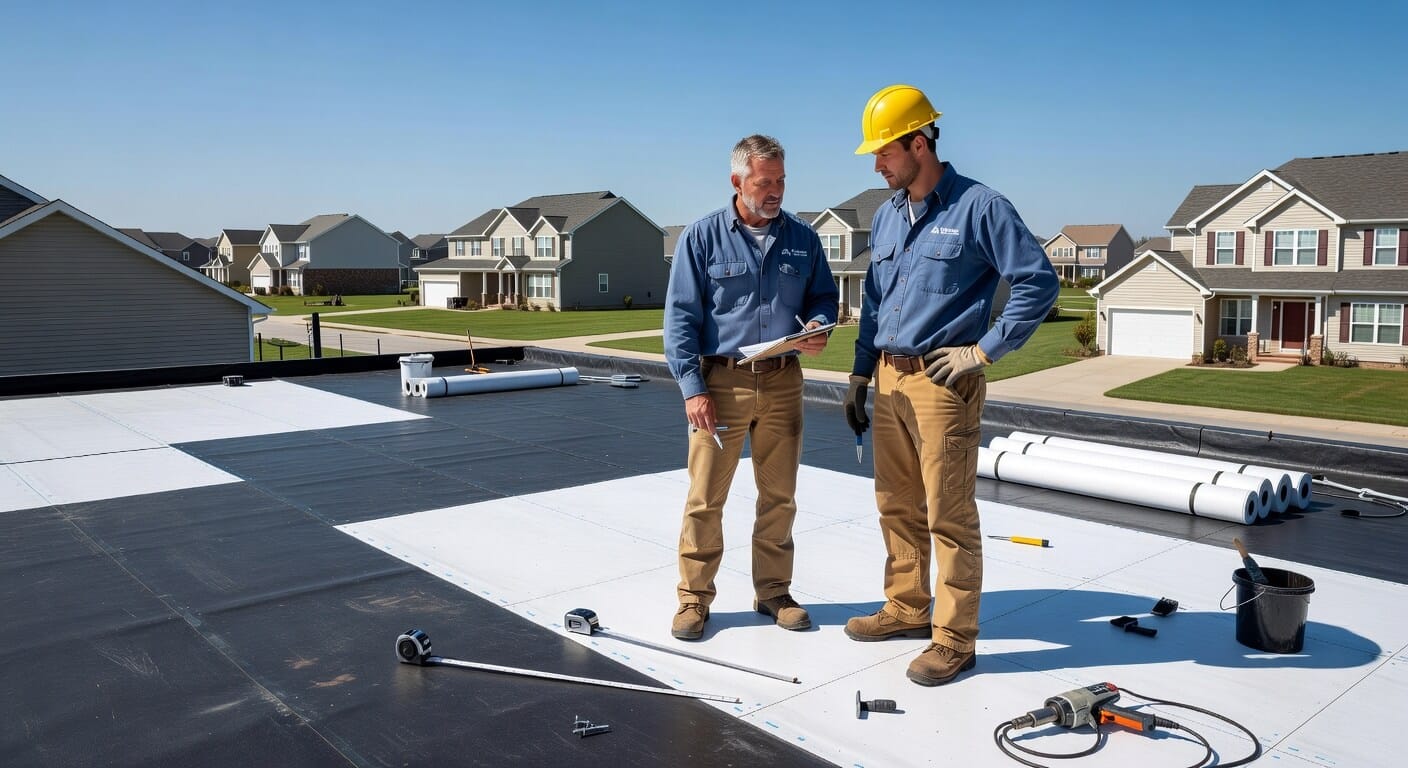
– Compare the advantages and disadvantages of rubber roofing and TPO to determine which material best suits your home’s needs.
– Discover key insights on durability, cost-effectiveness, and installation processes for both roofing materials.
– Explore recommendations from industry experts to make an informed decision for your next roofing project.
Introduction
As the spring season approaches, homeowners in Chester VA must make critical decisions regarding their roofing options. Choosing the right material can significantly impact your home’s durability and energy efficiency. This article dives into the topic of rubber roofing vs TPO which is better to help you make an informed choice that could save you money in the long run. With fluctuating temperatures and unpredictable weather patterns, understanding your roofing options has never been more urgent. Taking the time to explore these materials can ensure your home’s protection from the elements.
Many homeowners face common challenges when it comes to deciding between rubber roofing and TPO. These roofing materials each have unique benefits worth considering, especially regarding their cost and performance. It’s not uncommon for people to wonder, “What are the main differences between rubber roofing and TPO?” Being well-informed about the features of each material can help you navigate the complexities of roofing needs. By understanding these distinctions, you can better equip yourself to make a choice that suits both your home and budget.
As you weigh your options, consider how factors like insulation, maintenance, and long-term performance may affect your decision. Rubber roofing is known for its impressive lifespan, often lasting about fifty years with proper care and attention. On the other hand, TPO offers energy efficiency, which can help cut down on cooling costs during the hotter months. Homeowners often benefit from understanding how these properties impact the longevity and functionality of a roof. By diving into the details presented in this article, you can take the first step toward making a decision you won’t regret.
Supporting Details
To effectively weigh the pros and cons of rubber roofing, it’s essential to understand its unique characteristics. One of the most notable advantages is its ability to withstand varying weather conditions, making it an ideal choice for homeowners in Chester VA. Rubber roofing has an impressive durability, often lasting for decades when properly maintained. This longevity means fewer replacements and repairs, ultimately leading to cost savings over time. Additionally, this material offers excellent insulation, effectively keeping your home warm in winter and cool in summer.
In contrast, TPO roofing presents its own set of benefits that cater to different homeowner needs. One of the primary selling points of TPO is its outstanding energy efficiency, often reducing cooling costs by up to 30% compared to traditional roofing materials. This reflective property allows TPO to work effectively under the Virginia sun, keeping your home cooler in sweltering temperatures. Furthermore, TPO is generally easier to install, which often results in lower labor costs and a quicker turn-around for new roof installations. Homeowners frequently inquire, “How do rubber roofing and TPO perform in extreme weather conditions?” and the answer often hinges on the specific climate and insulation properties of each material.
When it comes to installation and maintenance, both roofing types have distinct requirements. TPO is often favored for its straightforward and cost-effective installation process, but rubber roofing may demand more frequent inspections to ensure durability. Consulting with an experienced roofer is crucial to making the best choice for your property. Not only can they guide you through roofing material options, but they can also assist with navigating any roofing services your home might require. Ultimately, understanding the maintenance needs of each material will help you safeguard your investment and ensure your roof lasts for years to come.
Insights From The Experts
Tip 1:
Consider your climate when choosing between rubber roofing and TPO. Rubber roofing offers superior durability in harsh weather, while TPO excels in energy efficiency for warmer climates.
Tip 2:
Evaluate the long-term maintenance needs of each roofing type. Rubber roofing may require periodic inspections for wear, whereas TPO is generally low maintenance, but regular cleaning is essential to maintain its reflective properties.
Tip 3:
Consult with a professional roofing contractor to assess your specific needs. They can provide tailored advice based on your home’s structure, local regulations, and budget constraints, ensuring the right choice for your roofing project.
Tip 4:
Think about the lifespan and warranty options available for each material. Rubber roofing tends to have a longer lifespan with substantial warranties, while TPO may vary; checking manufacturer warranties can provide insight into long-term value.
Tip 5:
Look into installation costs and potential energy savings. While TPO might have a lower upfront cost, the energy efficiency it offers could lead to savings on utility bills over time, making it an important factor in your decision-making process.
Addressing Common Concerns
What are the main differences between rubber roofing and TPO?
Rubber roofing is known for its longevity and durability, while TPO is celebrated for its energy efficiency and reflective properties. These differences can significantly affect performance and cost over time.
How long does each roofing type typically last?
Rubber roofing can last anywhere from 30 to 50 years with proper maintenance, whereas TPO usually maintains its integrity for 15 to 30 years. The lifespan largely depends on environmental conditions and maintenance practices.
Which roofing option is more affordable to install and maintain?
Generally, TPO has a lower initial installation cost and is easier to install than rubber roofing. However, rubber roofing might offer better long-term savings due to its durability and longevity.
How do rubber roofing and TPO perform in extreme weather conditions?
Rubber roofing performs exceptionally well in harsh weather, providing excellent insulation and leak resistance. TPO, while effective in warm climates due to its reflective capabilities, may not withstand extreme temperatures as well as rubber roofing.
What factors should I consider when choosing between rubber roofing and TPO?
Consider your local climate, budget, and the specific needs of your home, including energy efficiency and maintenance requirements. Consulting with a roofing professional can help guide your decision based on these factors.
Final Thoughts
In conclusion, weighing the benefits and considerations of rubber roofing and TPO is essential for homeowners in Chester VA. Each option presents unique qualities that cater to different needs, and understanding these differences can lead to better choices. It’s crucial to factor in not only the initial costs but also the long-term implications of your investment. By choosing the right roofing material, you can enhance your home’s protection and energy efficiency for years to come. Remember, spring is the perfect time to address any roofing needs, allowing you to prepare your home for the warmer months ahead.
Consulting with professionals can provide invaluable insights into your specific circumstance. Local roofing experts can assess your home’s requirements, ensuring you choose the best material tailored to your environment and preferences. Additionally, they can guide you on important warranty options specific to each material, which can play a significant role in safeguarding your investment. Homeowners frequently ask, “What factors should I consider when choosing between rubber roofing and TPO?” and the answer lies in personalized consultations with qualified contractors. Making informed choices now reduces potential issues down the line, giving you peace of mind.
Finally, taking action and reaching out to roofing professionals is a step towards securing your home’s future. Don’t hesitate to contact D.L Williams Roofing for further assistance or questions about your roofing needs. Their expertise will ensure you have the right information to make sound decisions for your home. Remember, investing in quality roofing now can lead to long-term savings and satisfaction. So, assess your options today, and embark on your journey to a safer, more efficient home.


