
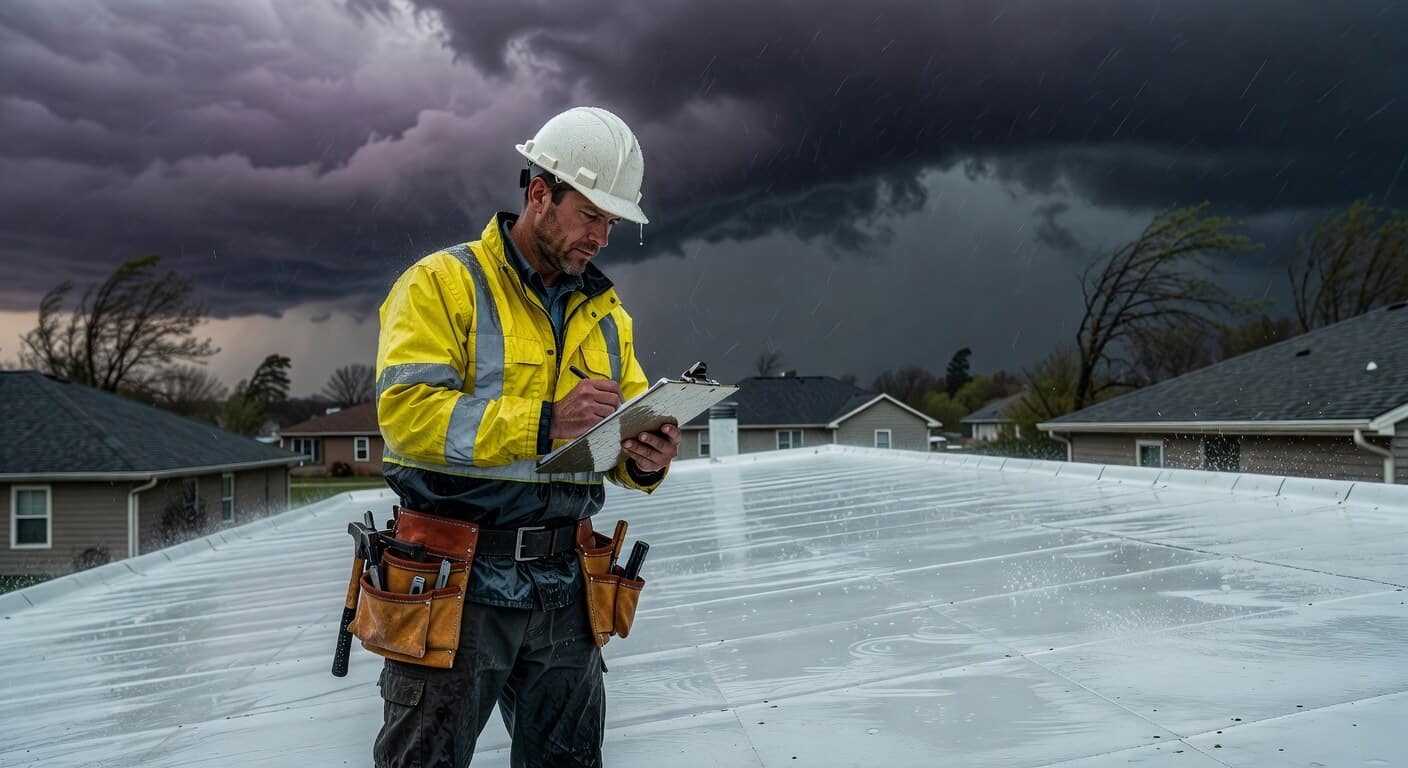
– Discover how TPO roofing can withstand the challenges of spring storms, including heavy rain and strong winds.
– Learn about the benefits of TPO roofing, such as durability, energy efficiency, and cost-effectiveness, making it a popular choice for homeowners.
– Understand the importance of professional installation and maintenance to maximize the performance and longevity of your TPO roof.
Concerning Signs of TPO Roof Damage
As spring approaches, homeowners should be vigilant for signs of potential damage to their TPO roofing. One of the most noticeable indicators is **visible tears or punctures** in the roofing material. These openings can allow moisture to penetrate, leading to further deterioration. Regular checks for these physical damages help prevent larger issues when the spring storms arrive.
Another critical sign to look out for is **cracked or loose seams**. These seams are where two panels of TPO meet, and if they are not properly sealed, they can become weak points during heavy rains or high winds. Issues with seams can lead to significant leaks, threatening your home’s interior. Homeowners should inspect these areas closely to ensure they remain intact.
Finally, be aware of **ponding water** that may accumulate after rainfall. This pooling can indicate inadequate drainage or underlying issues with the roof structure. Prolonged exposure to standing water can weaken TPO roofing and lead to more extensive damage over time. Identifying these signs promptly allows for necessary repairs to be made before the harsher weather conditions hit.
Step-by-Step Guide to Address TPO Roofing Issues
Understanding the structure and properties of TPO roofing is paramount for maintaining its integrity, especially during spring storms. **Thermoplastic Olefin roofing** is designed to endure various weather conditions but still requires regular checks and proper care. Homeowners should familiarize themselves with the typical risks during the spring in Central Virginia, where heavy rain and strong winds can occur. Assessing these risks allows you to prepare your TPO roofing effectively before storms hit.
Once you’ve identified potential weaknesses in your roofing, it’s essential to take action. Performing necessary repairs, such as sealing seams and addressing any visible tears, can significantly enhance your roof’s performance. It’s also advisable to establish a **maintenance schedule** to ensure that your TPO roofing remains in good condition year-round. For those unsure about assessing or repairing their roof, seek assistance from a professional roofing service by visiting roof damage restoration services.
Step 1: Understand TPO Roofing
Learn the basics of TPO (Thermoplastic Olefin) roofing, including its composition, benefits, and common applications, particularly in regions prone to spring storms.
Step 2: Evaluate Spring Storm Risks in Central Virginia
Research the typical weather patterns and risks associated with spring storms in Central Virginia, focusing on wind, rain, and hail.
Step 3: Inspect Your TPO Roof
Conduct a thorough inspection of your TPO roofing prior to the spring storm season. Look for signs of damage, wear, or potential weaknesses.
Step 4: Perform Necessary Repairs
Address any identified issues on your TPO roof. This may include sealing seams, replacing damaged sections, or ensuring proper drainage.
Step 5: Reinforce Weather Resistance
Consider adding additional features to enhance the weather resistance of your TPO roofing, such as improved insulation or reflective coatings.
Step 6: Create a Maintenance Schedule
Establish a regular maintenance routine that includes checking your TPO roofing after heavy storms to ensure continued performance.
Step 7: Educate Yourself on TPO Advantages
Familiarize yourself with the advantages of TPO roofing in harsh weather conditions, such as its UV resistance and thermal properties.
Step 8: Consult a Roofing Professional
If you’re uncertain about your roof’s condition or maintenance needs, consult a qualified roofing professional for their expertise on how does TPO roofing hold up in spring storms.
Common Mistakes to Avoid When Working on TPO Roofing
When it comes to tackling TPO roofing projects, many homeowners make simple mistakes that can lead to costly repairs down the line. Often, these errors stem from a lack of understanding of TPO materials and improper evaluation of the roof’s condition. By being aware of these common pitfalls, you can ensure a more effective and safer approach to managing your TPO roofing.
1. Overlooking Regular Inspections
Many homeowners neglect to perform regular inspections of their TPO roofs, which can lead to undiscovered issues. This oversight often happens because they assume that once the roof is installed, it requires no further attention. To prevent this mistake, schedule biannual inspections to catch any potential problems early.
2. Ignoring Weather Conditions
Attempting repairs during inclement weather can be a significant mistake. High winds and rain can affect both the safety and effectiveness of your repairs. Always check the weather forecast and plan your maintenance activities for dry, calm days to ensure a successful outcome.
3. Inadequate Sealing of Joints and Seams
One common error is not sealing joints and seams properly, leading to potential leaks. Many DIYers may not realize the importance of ensuring these areas are secure. Educate yourself on the correct sealing techniques for TPO roofs and consider using high-quality sealants for optimal results.
4. Using Improper Tools or Materials
Using tools or materials that are not suited for TPO roofing can cause damage and lead to further issues later. This mistake typically arises from a lack of research or understanding of the specific requirements of TPO. Always use manufacturer-recommended tools and materials to ensure compatibility and effectiveness.
Conclusion
In conclusion, being proactive about your TPO roofing is crucial as the spring storm season approaches. Understand the signs of potential damage and take the necessary steps for repair to ensure your roof can withstand harsh weather. **Proper maintenance** will not only protect your investment but also provide peace of mind during the stormy months ahead.
If you’re unsure about the condition of your TPO roof or need assistance with repairs, don’t hesitate to reach out for professional help. For more information about reliable roofing services, you can visit D.L Williams Roofing. Taking care of your roofing now will save you time and money in the long run, allowing you to enjoy your home through every season.


